Pay in installments of $5.69 with
 ,
,
 and
and

Shipping Estimate
USA
- USA
- CAN
- USA
- CAN
Ships within 48 hours · Estimated delivery Jul 20 - Jul 25
 Promo Codes Available:
For Your Every Summer RSVP, with Code: SUMMER15
Description
can you use a small aloe vera plant Crocodile Plant 'Aloe brevifolia'The Crocodile Plant, also known as Aloe brevifolia, is a vibrant member of the Aloe genus! With teeth like spikes on the outside of the leaf, it looks like the open mouth of a crocodile, hence the name and also known as short leaved aloe. The crocodile plant grows in clumps up to 12 inches tall and wide in its natural habitat and is suitable for both indoor rock gardens and outdoor rock gardens in temperate climates. Hailing from South Africa, it can
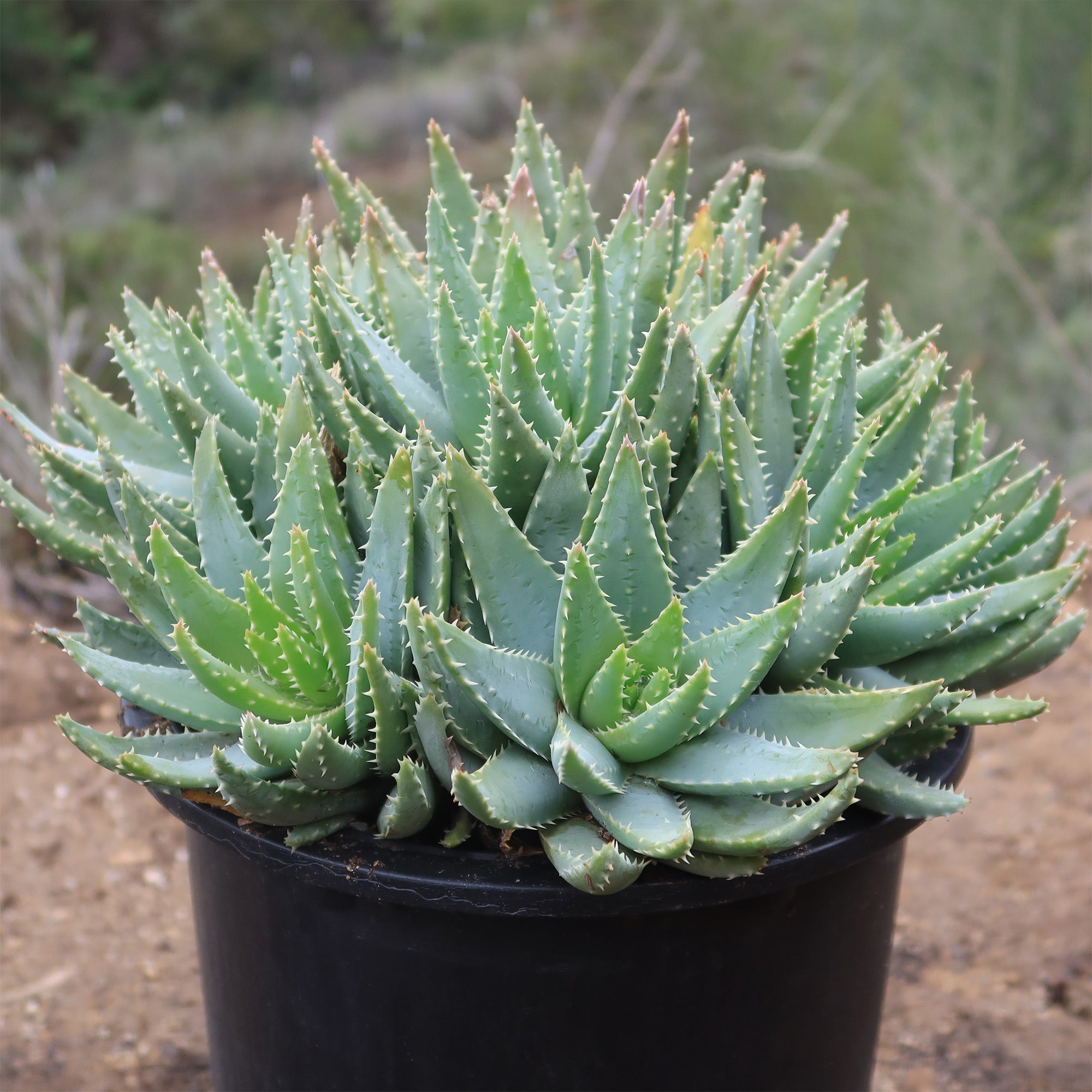
The Crocodile Plant, also known as Aloe brevifolia, is a vibrant member of the Aloe genus! With teeth-like spikes on the outside of the leaf, it looks like the open mouth of a crocodile, hence the name and also known as short-leaved aloe.
The crocodile plant grows in clumps up to 12 inches tall and wide in its natural habitat and is suitable for both indoor rock gardens and outdoor rock gardens in temperate climates. Hailing from South Africa, it can thrive well in rock gardens, pots, and xeriscaping - making it an ideal small-scale groundcover too!
The blue-green leaves of the Aloe brevifolia crocodile plant have raised white spots that resemble thorns on the top and bottom, as well as soft white thorns on the leaf margins.
The leaves sometimes acquire a lovely pinkish hue in cooler weather.
In full sun, the tips turn to shades of red, yellow and orange, creating a spectacular display when exposed to bright light. It is important to gradually acclimate Aloe brevifolia to full sun to prevent sunburn and ensure its health.
When it comes to flowering, the Aloe brevifolia blooms with its tall, red-pink flowers in late winter or early spring. This beautiful aloe plant attracts birds, bees, and butterflies. Standing at less than a foot tall but with big personality traits such as thick triangular leaves colored glaucous green, yellow, blue, and gray - there's no denying that the Crocodile Plant makes for an exciting addition to any garden or container display!
While it is often confused with Aloe vera, which is a very similar plant, Aloe brevifolia is primarily grown for its ornamental value and is not known to have any edible or medicinal properties. This plant can be propagated by removing offsets from the parent plant or by developing bare root cuttings.
When and How to Water Your Crocodile Plant
The leaves of this adorable succulent are full of water, so they do not require frequent, deep watering either. "Soak and dry " is the best approach in gardening in this case.
In the early fall and spring, during the growing season, it is recommended to water once every two weeks or so. In the winter and summer, when the plant is dormant, you can reduce watering to once a month. Be sure to use well-draining soil, and avoid getting water on the leaves or stem, as this can lead beautiful plants to rot.
Keep an eye out for mushy, yellowing leaves, which are a sign of severe overwatering. If this occurs, repot your Aloe brevifolia crocodile plant in dry soil and avoid frequent watering of it. Whenever you touch the soil, if it feels like a desert with no sign of moisture in the soil, or if those cute little leaves start to turn yellow, look wrinkled, or shriveled up - that's when you know your crocodile plants are thirsty!
If the plant needs water, give it some love by pouring water gently over the pots and around them until it drips off from the holes at the bottom of the pot. With just a bit of attention paid to these little details, soon enough, your Aloe brevifolia plants will be thriving like never before.
Light Requirements - Where to Place Your Crocodile Plant
When grown indoors, this plant prefers bright, indirect sunlight. Placing it near a south or west-facing window is ideal, as it can absorb the light it needs without being scorched by direct sun rays. While Aloe brevifolia can tolerate some direct sunlight, especially in the morning, too much harsh light can lead to leaf burn. It's also important to rotate the plant occasionally to ensure even growth, as it will naturally lean toward the light source.
For outdoor cultivation, the Aloe brevifolia needs a lot of sunlight to reach its full potential. You should expose the pot of this crocodile plant to direct sunlight every day for up to 4 hours.
When exposed to direct sunlight, the leaves of this crocodile aloe plant change from their initial Blue-Green color to shades of red, Orange, and Pink. This is a natural response to the sun's UV rays and is a sign that the crocodile plant produces more pigments to protect itself from the direct sun. In some cases, the leaves may also turn a yellowish color if they are not receiving enough light. On the other hand, if the leaves are thin and stretched out, it is also an indication that the plant is not receiving enough light.
However, if the leaves are turning brown or black, this may be a sign of sunburn or over-watering the plant, which can be harmful to the plant.
Optimal soil & Fertilizer Needs
Use well-drained soil that is designed specifically for your Aloe brevifoia succulent. These specialty soil mixes have been precisely developed to imitate well-draining desert soils. That's why we at Planet Desert have got your back with our specialized succulent potting mix. This organic substrate has mycorrhizae which helps grow a healthy root system that makes all those spiky stems stand up tall and proud. If you don't mind getting a bit of dirt on your hands and are okay with a basic gardening soil for your succulent, then you can save some money and make your own dry clay soil mix by simply combining healthy natural garden soil with equal parts of sand or perlite.
And let's not forget about fertilizing! A small amount of fertilizer with an equal mixture of NPK (5-10-5) once a year in spring will do wonders for the roots and your plant's health and growth. Don't fertilize in the summer or winter. So, skip those harsh chemicals and give the roots of lace aloe and your succulent some love with some awesome organic fertilizer! Remember, avoid overfertilizing your aloe plants; it may cause fungal diseases and develop root rot.
Hardiness Zones & More
If grown indoors, this succulent thrives in temperatures ranging from 60 to 75°F. It is important to keep the plant away from cold drafts, such as those from air conditioning or open windows during winter months, as temperatures below 50°F can stress the plant and lead to damage. Additionally, Aloe brevifolia does not require high humidity levels; it prefers a drier environment, which is typically found indoors.
For outdoor cultivation, the crocodile plant is an outdoor tropical succulent that can be grown in USDA zones 8 and 11. This means that it can tolerate a minimum temperature of about 20 to 30 degrees Fahrenheit. In these zones, the plant can thrive year-round, provided it is planted in well-draining soil and receives adequate sunlight. While it can endure short periods of cooler temperatures, prolonged exposure to frost can be detrimental to its health.
In cooler zones, it can be kept outdoors during the summer and brought in as the temperature drops. It doesn't like humidity because it is adapted to a dry, hot climate.
Wildlife - Crocodile Plant Attracts the Following Friendly Pollinators
The Crocodile Plant’s flowers, though rare, can still play a role in attracting pollinators when they do appear. The blooms are small and white, and emit a pleasant fragrance, especially during the evening hours. This sweet aroma serves as a natural lure for nocturnal pollinators such as moths and certain species of bats, which are drawn to the scent as they search for nectar.
Toxicity: The Crocodile Plant is considered mildly toxic to both humans and pets. It contains saponins, natural chemicals that can cause adverse reactions such as nausea, vomiting, and diarrhea if ingested by cats, dogs, or small children. While the plant is not highly dangerous, it's best to keep it out of reach of curious pets and young kids. Contact with the plant's sap is generally harmless, but it’s advisable to wash your hands after handling it to avoid any potential skin irritation.
How to Propagate Your Crocodile Plant
To propagate your Crocodile Plant (Aloe brevifolia), start by gently removing an offset or "pup" from the base of a mature plant. Allow the pup to dry for a few days, forming a callus over the cut surface, which helps prevent rot when planted. Once the pup is callused, plant it in well-draining soil, such as a cactus or succulent mix. Water sparingly until roots establish, usually within a few weeks. The Crocodile Plant is best propagated during spring or summer when growth is active, ensuring quicker establishment and a healthier start.
Key Takeaways
- The vibrant orange-red flowers attract a range of pollinators, including bees, butterflies, and hummingbirds, making it an excellent choice for gardeners looking to support local wildlife.
- Aloe brevifolia is highly drought-tolerant, making it suitable for arid climates or low-water gardens. It can thrive with minimal watering, reducing maintenance efforts.
- With its compact, rosette form, this aloe variety is perfect for container gardening or smaller spaces, fitting easily into tight areas without overwhelming other plants.
- It requires minimal care, thriving even in low light and without regular fertilizing, making it a perfect choice for beginners.
The Bottom Line
Overall, the Crocodile Plant (Aloe brevifolia) is a unique succulent that is characterized by its distinctive crocodile skin-like texture and vibrant green color. With its low maintenance requirements and ability to thrive in various conditions, this plant is a great addition to any indoor or outdoor garden. Its compact size and drought tolerance make it perfect for both beginner and experienced gardeners. While its flowers attract beneficial pollinators, contributing to a vibrant ecosystem, care should be taken to keep it out of reach of pets due to its mild toxicity. With proper placement, well-draining soil, and occasional watering, this aloe species will thrive and bring a touch of nature's resilience to your plant collection.
Be sure to add the Aloe brevifolia crocodile plant to your collection today and elevate the beauty of your home or garden with this stunning and healthy-looking plant.
Shipping Notes
- Free Standard Shipping on $100+ Orders to the USA.
- Except Preorder products are shipped in 48 hours.
- Delivery to the USA:
- Standard Shipping : 3-10 business days
- If time is of the essence, please consider selecting expedited delivery for faster service.
Exchange/Return Notes
- We offer a 30-day return/exchange service after receiving.
- Final sale items are not eligible for returns or exchanges.
- To process your return/exchange, please contact us at [email protected]
- Please click here for more details>>> Return & Exchange Policy